Roman: A Strategic Font for Clear Communication and Creative Impact
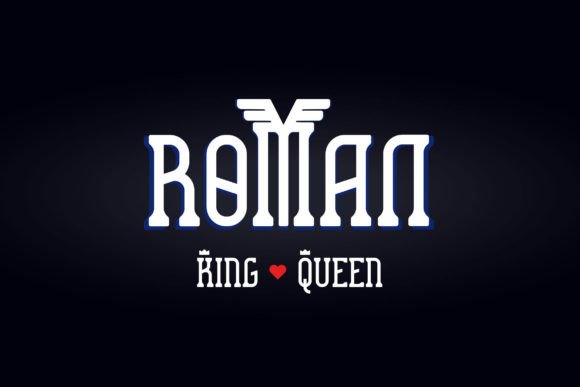
Roman is more than just a font—it's a tool that can shape how your message is received, understood, and remembered. Designed with modern aesthetics in mind, Roman combines readability with visual appeal, making it ideal for a wide range of design applications. Whether you're crafting a headline for a marketing campaign, designing a book cover, or creating a flyer for an event, Roman offers the versatility and clarity needed to make your work stand out.
For professionals across industries, from entrepreneurs to educators, the right font can be a critical component of effective communication. Roman provides a clean, structured look that supports both digital and print formats, ensuring your message remains consistent and impactful across platforms.
Why Roman Matters in Strategic Design
In a world where visual communication plays a central role in branding and marketing, choosing the right typeface isn't just about style—it's about strategy. Roman is engineered to enhance legibility without sacrificing aesthetic value, which makes it particularly useful in scenarios where clarity is key. For instance, in news headlines or product labels, Roman ensures that information is conveyed quickly and effectively.
When used intentionally, Roman can help position your brand as professional, reliable, and modern. Its balanced proportions and open letterforms make it easy to read at various sizes, which is especially important for signage, banners, and other large-format designs. This adaptability means Roman can serve as a core element of your visual identity, supporting long-term brand consistency.
Strategic Use Cases for Roman
Roman is best applied when the goal is to communicate clearly while maintaining a visually appealing design. Here are some practical use cases:
- Headlines and Titles: Roman’s strong, structured appearance makes it perfect for headlines in magazines, websites, or presentations. It draws attention without overwhelming the reader.
- Book Covers and Publications: For authors and publishers, Roman adds a refined touch to book titles, helping them stand out on shelves or online listings.
- Marketing Materials: Flyers, posters, and brochures benefit from Roman’s clean layout, which keeps the focus on the message rather than the typography.
- Stationery and Branding: Business cards, letterheads, and envelopes using Roman convey professionalism and sophistication, reinforcing brand credibility.
Each of these applications requires careful consideration of context. Roman works best when paired with complementary fonts and colors that align with your overall design goals.
Planning Your Approach with Roman
Before incorporating Roman into your projects, consider the following strategic steps:
- Define Your Objective: What do you want to achieve with this design? Is it to inform, persuade, or inspire? Roman’s neutrality makes it adaptable, but its effectiveness depends on how well it aligns with your purpose.
- Understand Your Audience: Who will see this design? If your audience values clarity and professionalism, Roman can reinforce those qualities. If you're targeting a younger or more creative demographic, ensure Roman complements the tone of your message.
- Test in Different Contexts: Roman may perform differently on screen versus print. Test it in various formats to ensure it maintains its integrity and readability.
- Balance with Other Elements: Roman should work in harmony with images, colors, and other text elements. Avoid overusing it in complex layouts where it might get lost or become distracting.
By planning your use of Roman thoughtfully, you can avoid common pitfalls like poor legibility or mismatched design elements.
The Risks of Using Roman Without Clarity
While Roman is a powerful tool, it's not a one-size-fits-all solution. Using it without clear goals or context can lead to ineffective communication. For example, if you apply Roman to a casual social media post, it might feel too formal or out of place. Similarly, if used in a cluttered design, Roman’s clean lines could be overwhelmed by competing visual elements.
Another risk is overuse. Relying too heavily on Roman across multiple design pieces can dilute its impact. It's important to reserve Roman for key moments where its strengths—clarity, structure, and elegance—can have the most influence.
Without a strategic approach, Roman may fail to deliver the desired results. It’s not enough to choose a font because it looks good; it must also serve a purpose within your broader design and communication strategy.
Intentional Use of Roman for Better Outcomes
To use Roman effectively, think about how it supports your overall goals. For instance, if you’re launching a new product, Roman can help create a strong, memorable headline that resonates with your target audience. In educational materials, its readability can improve comprehension and retention.
Consider how Roman can enhance your brand’s voice. If your brand emphasizes simplicity and professionalism, Roman reinforces those values. If your brand is more creative or artistic, Roman can still play a role, provided it’s used in a way that aligns with your brand’s personality.
Finally, remember that Roman is part of a larger design ecosystem. It works best when integrated with other design principles such as color theory, composition, and typography hierarchy. By treating Roman as a strategic asset rather than a decorative choice, you can unlock its full potential.
Long-Term Value of Roman in Design Strategy
Investing in a font like Roman can have long-term benefits for your design workflow. Once added to your font library, it becomes a reliable resource for future projects. This consistency helps build a cohesive visual identity, which is essential for brand recognition and customer trust.
Moreover, Roman’s adaptability means it can evolve with your needs. As your business grows or your design requirements change, Roman can continue to support your messaging without needing frequent replacements. This longevity makes it a valuable addition to any designer’s toolkit.
For decision-makers and professionals looking to streamline their design processes, Roman offers a balance between functionality and aesthetics. It allows for efficient creation without compromising on quality, making it a smart choice for those who value both form and function.
Conclusion: Make Roman Work for You
Roman is a font that offers more than just visual appeal—it’s a strategic asset that can enhance communication, support branding efforts, and improve the effectiveness of your designs. By understanding its strengths and using it with intention, you can create more impactful and meaningful work.
Whether you're a marketer, designer, educator, or business owner, Roman provides a versatile foundation for your creative and professional endeavors. Take the time to explore its possibilities, and you’ll find that it can be a valuable ally in achieving your goals.