Going Island: A Tropical Touch for Your Creative Workflow
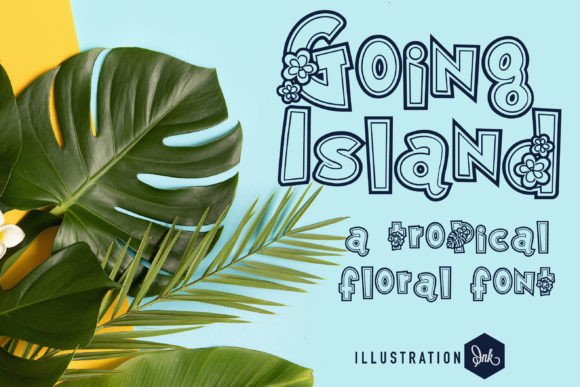
Going Island is more than just a font—it's a versatile tool that can elevate your design projects with its playful, tropical aesthetic. Featuring elegant outlines and vibrant floral elements, this display font is ideal for a wide range of applications, from digital design to handmade crafts. Whether you're working on a presentation, a marketing campaign, or a personal project, Going Island offers a unique visual identity that stands out.
Understanding how to integrate Going Island into your workflow can make a significant difference in the quality and consistency of your output. From initial planning to final execution, this font can enhance your creative process when used thoughtfully and strategically.
Understanding Going Island and Its Role in Design Workflows
At its core, Going Island is a display font designed for visual impact. It’s not meant for body text but rather for headlines, logos, banners, and other prominent design elements. Its tropical style makes it particularly well-suited for branding related to travel, lifestyle, wellness, and nature-focused content.
In a broader creative process, fonts like Going Island serve as key components of visual storytelling. They help establish tone, mood, and brand personality. When choosing a font, it’s important to consider how it aligns with your overall design strategy and the message you want to convey.
For professionals such as marketers, graphic designers, and content creators, selecting the right font can streamline the design process and reduce the need for multiple revisions. Going Island provides a consistent and recognizable look that can be applied across various platforms and formats.
Using Going Island in Different Stages of a Project
The utility of Going Island extends beyond the final design stage. It can be incorporated at various points in a project lifecycle, depending on the goals and requirements.
Before a project: When planning a new design or branding initiative, Going Island can be used to create mockups or concept sketches. This helps visualize how the font will look in different contexts, allowing for early feedback and adjustments.
During a project: As the design progresses, Going Island can be used to maintain visual consistency across different assets. For example, if you’re creating a series of social media posts, using the same font across all designs ensures a cohesive brand presence.
After a project: Even after the main design is complete, Going Island can be useful for additional materials such as email templates, signage, or promotional materials. Its versatility allows it to adapt to different formats without losing its distinctive character.
Integration with Other Tools and Resources
Going Island works best when integrated with other design tools and resources. Graphic design software such as Adobe Photoshop, Illustrator, and Canva support custom fonts, making it easy to apply Going Island to digital projects. For print-based work, ensuring compatibility with design programs and printers is essential to maintain quality and clarity.
When working with a team, sharing font files and style guides can help maintain consistency across projects. This is especially important in collaborative environments where multiple designers may be involved. Including Going Island in a shared design system ensures that everyone uses it correctly and effectively.
Additionally, combining Going Island with other fonts can create a balanced and professional look. For instance, pairing it with a clean sans-serif font for body text can provide contrast while maintaining visual harmony. Experimenting with different combinations can lead to more dynamic and engaging designs.
Practical Tips for Implementing Going Island
To get the most out of Going Island, consider the following tips:
- Test it in different sizes and contexts: The font’s details may become less visible at smaller sizes, so it’s important to test it in the actual environments where it will be used.
- Use it selectively: Because of its ornate design, Going Island should be used sparingly to avoid overwhelming the viewer. It’s best suited for headings, titles, and other focal points.
- Ensure readability: Always check that the font remains legible, especially in digital formats. Adjust spacing and contrast as needed to improve clarity.
- Backup your files: Keep copies of your design files and font installations to prevent issues caused by software updates or file corruption.
Workflow Examples and Use Cases
Here are a few practical examples of how Going Island can be used in real-world scenarios:
- Marketing campaigns: Use Going Island for social media headlines, ad copy, and promotional banners to create a visually appealing and memorable brand image.
- Event invitations: Incorporate the font into digital or printed invitations for weddings, parties, or conferences to add a touch of elegance and fun.
- Content creation: Apply Going Island to blog headers, video thumbnails, or podcast artwork to enhance the visual appeal of your content.
- Product packaging: For small businesses or DIY entrepreneurs, the font can be used on product labels, stickers, or packaging to differentiate their offerings.
Long-Term Use and Maintenance
Over time, the effectiveness of Going Island may depend on how well it’s maintained and updated. Regularly reviewing its use in different projects can help identify areas for improvement or refinement. For instance, if a particular design no longer resonates with your audience, adjusting the font usage or exploring alternatives may be necessary.
Keeping your design assets organized is also crucial. Maintaining a clear folder structure for font files, design templates, and project files ensures that Going Island can be accessed and applied efficiently. This is especially important for freelancers or small teams managing multiple clients or projects.
Finally, staying informed about font trends and updates can help you make better decisions about when and how to use Going Island. While it has a distinct style, understanding its place in the broader design landscape can help you use it more effectively and creatively.