Giggle Laugh: A Groovy Display Font for Creative Projects
Giggle Laugh is a distinctive display font that brings a playful and whimsical vibe to any design project. Its unique character and retro-inspired style make it a popular choice among designers, marketers, and creative professionals looking to add a touch of fun and personality to their work. Whether you're working on logos, wedding invitations, social media posts, or product packaging, Giggle Laugh offers a versatile and eye-catching option.
What Is Giggle Laugh?
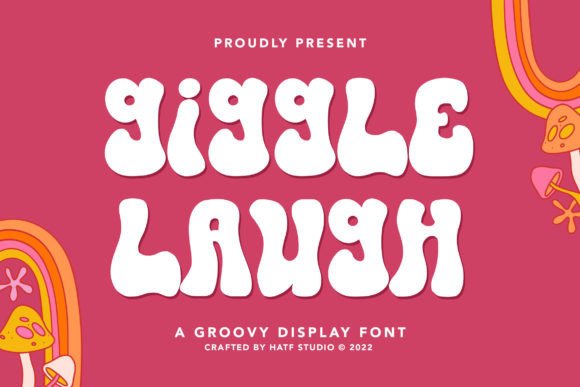
Giggle Laugh is a custom-designed typeface that features exaggerated, rounded letterforms with a sense of movement and energy. The font's name suggests its playful nature, and this is reflected in its visual style. It is not a traditional serif or sans-serif font but rather a stylized display font that stands out in any context. The font's design elements often include subtle curves, small details, and a slightly uneven baseline, which contribute to its organic and handcrafted feel.
Designed for use in branding, advertising, and creative projects, Giggle Laugh is ideal for situations where a bold and memorable visual identity is needed. Its aesthetic is particularly well-suited for industries that want to convey a lighthearted or nostalgic tone, such as entertainment, food and beverage, fashion, and lifestyle brands.
Why Someone Might Be Interested in Giggle Laugh
Designers and creatives who are looking for a font that breaks the mold may find Giggle Laugh appealing. Its unconventional style can help differentiate a brand or project from competitors, making it stand out in a crowded market. For those who want to express a sense of fun, nostalgia, or creativity, this font provides an effective visual tool.
Additionally, Giggle Laugh may be of interest to individuals who are working on personal or artistic projects that require a unique and expressive typeface. Its versatility allows it to be used in both digital and print formats, making it suitable for a wide range of applications.
Benefits of Using Giggle Laugh
One of the primary benefits of Giggle Laugh is its ability to add personality and character to a design. Unlike more neutral or corporate fonts, it brings a sense of warmth and approachability, which can be beneficial for brands aiming to connect emotionally with their audience. This makes it a strong choice for businesses targeting younger demographics or those seeking to create a friendly and inviting image.
The font's distinctiveness also helps in creating a memorable brand identity. In a world where many brands use similar typefaces, Giggle Laugh can help a business or project stand out. Its visual impact is especially useful in marketing materials, where quick recognition is important.
Another advantage is its flexibility. While it is primarily a display font, it can be used in various sizes and contexts, depending on the designer's needs. When used appropriately, it can enhance the overall aesthetic of a design without overwhelming it.
Tradeoffs and Considerations
Despite its appeal, Giggle Laugh may not be suitable for every project. Its stylized nature means that it can be less readable in large blocks of text. Therefore, it is best used for headlines, logos, and short phrases rather than body copy. Designers should consider the legibility of the font when deciding where to use it.
Another consideration is the font's appropriateness for different industries. While it works well for creative or casual brands, it may not align with the professional or formal tone required by certain sectors, such as law, finance, or healthcare. In these cases, a more traditional typeface might be more appropriate.
Additionally, the availability and licensing of the font should be taken into account. Some display fonts may have restrictions on commercial use, so it's important to verify the terms before incorporating it into a project.
Situations Where Giggle Laugh Is a Strong Fit
Giggle Laugh is an excellent choice for projects that require a fun, creative, or nostalgic feel. For example, it could be used in the design of a children's book, a music festival poster, or a boutique clothing label. Its retro aesthetic also makes it suitable for vintage-themed projects, such as restaurant menus, event invitations, or promotional materials for retro-inspired products.
In the realm of digital marketing, Giggle Laugh can be used in social media graphics, advertisements, or website headers to grab attention and convey a playful message. It is also a good fit for wedding invitations, where a personalized and unique look is often desired.
For product packaging, the font can add a distinctive and memorable element that sets a brand apart. It is particularly effective for items like snacks, beverages, or novelty products that benefit from a lighthearted and engaging visual identity.
Situations Where Alternatives May Be Worth Considering
If a project requires a more serious or professional tone, alternatives to Giggle Laugh may be more appropriate. Fonts such as Helvetica, Times New Roman, or Georgia offer a clean and readable appearance that is better suited for formal or corporate environments. These fonts are widely used in industries where clarity and professionalism are priorities.
For projects that need high readability, especially in long-form content, simpler typefaces are generally preferred. In such cases, using a display font like Giggle Laugh could compromise the user experience, making it harder for readers to engage with the content.
Additionally, if a designer is looking for a more modern or minimalist aesthetic, other display fonts with cleaner lines and more structured forms may be more suitable. The choice of font should always align with the overall design goals and target audience.
Practical Decision-Making Insights
When evaluating whether to use Giggle Laugh, it's important to consider the specific needs of the project. Start by identifying the key message or emotion the design should convey. If the goal is to evoke fun, creativity, or nostalgia, then Giggle Laugh could be a strong candidate. However, if the focus is on professionalism, clarity, or neutrality, alternative fonts may be more effective.
Testing the font in different contexts is also a valuable step. Experimenting with how it looks in various sizes, colors, and backgrounds can help determine its effectiveness for the intended use. It's also helpful to review examples of how other designers have used the font to gain inspiration and avoid common pitfalls.
Finally, consider the practical aspects of using the font, including its availability, licensing, and compatibility with design software. Ensuring that the font meets all technical requirements will help avoid potential issues during the design process.